

Researchers

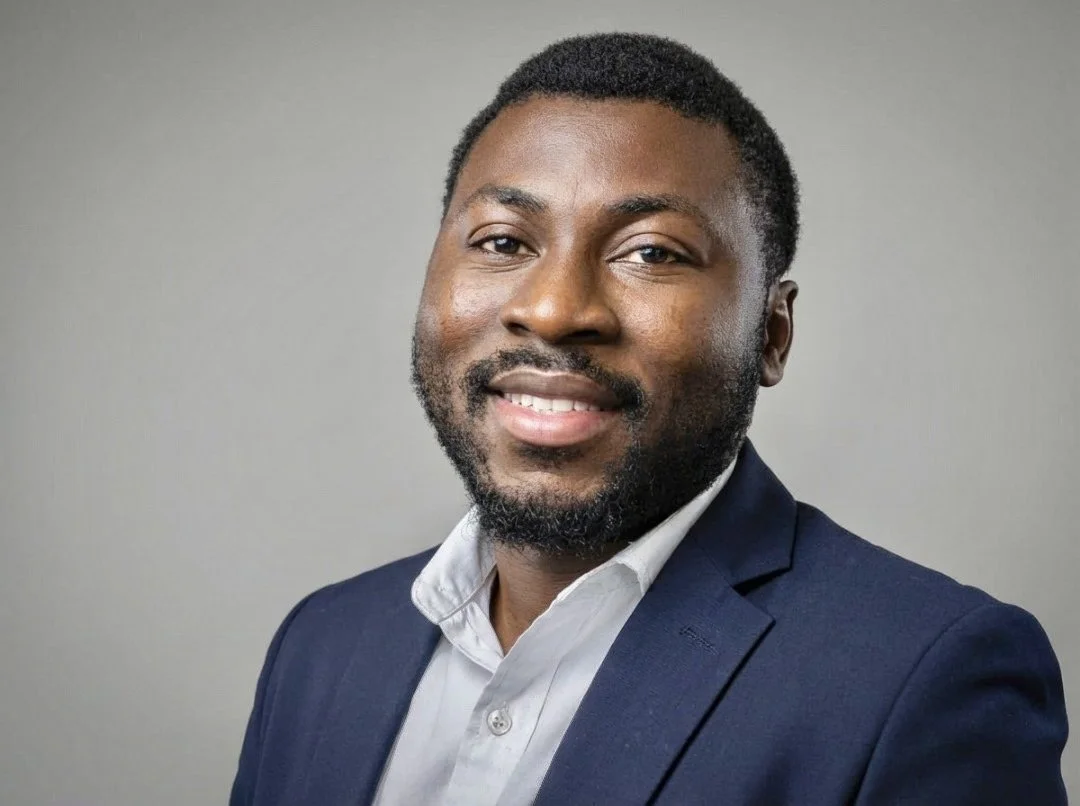
Project Lead

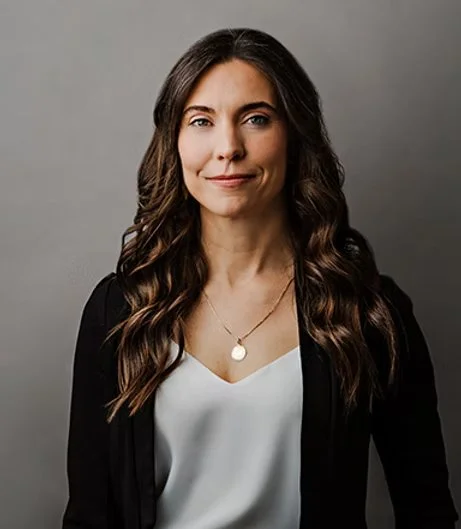
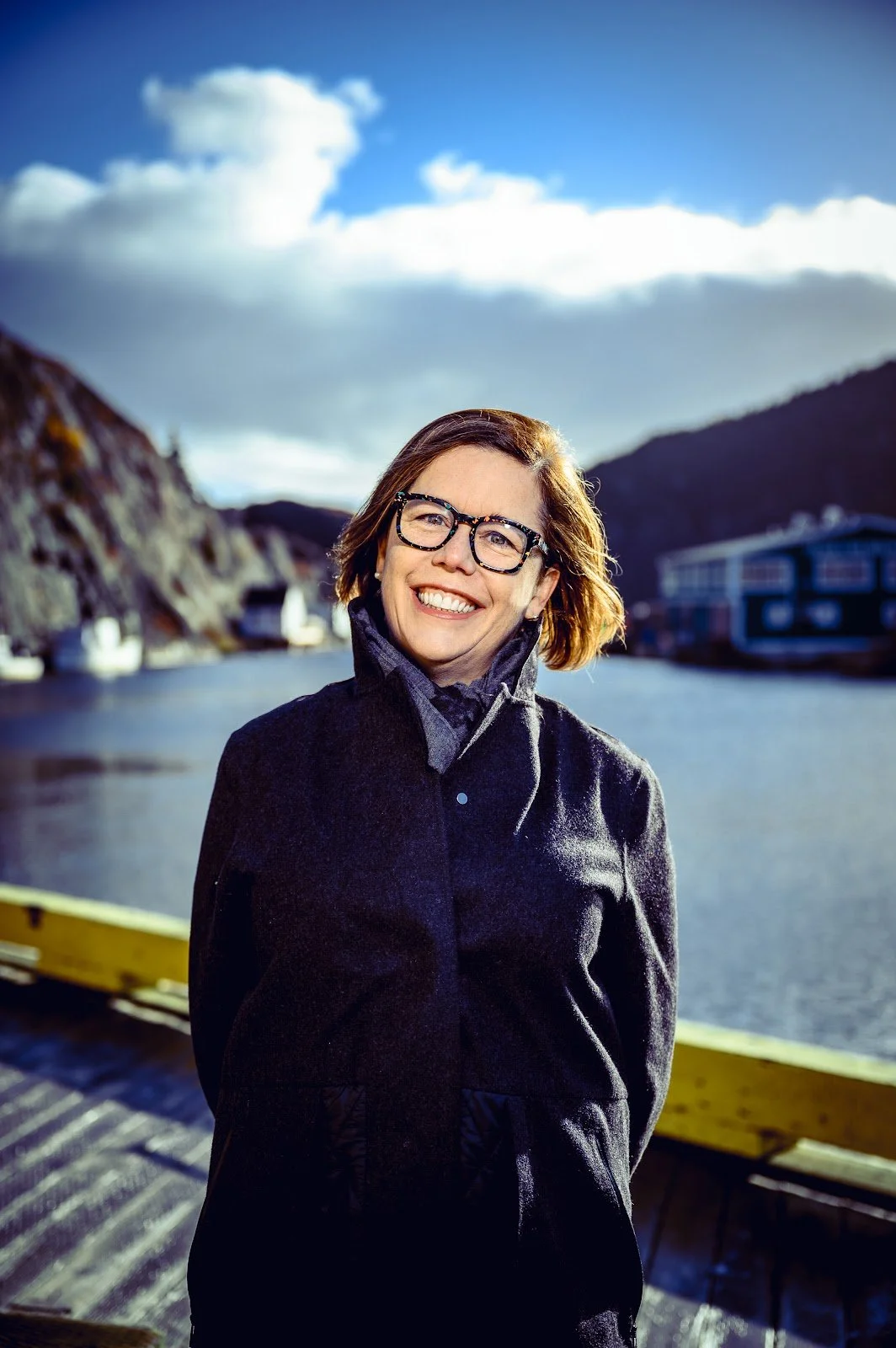
Angela Carter

Angela Carter, PhD, is the Canada Research Chair in Equitable Energy Governance and Public Policy and Professor in the Department of Political Science at Memorial University. She conducts comparative research focused on environmental policies and politics surrounding Canadian fossil fuel development and on innovative international approaches to climate policy. Carter is an award-winning author who has published widely in scholarly journals while also regularly offering policy research insights to governments, labour and civil society organizations, and media. Dr. Carter is a settler researcher from Newfoundland / Ktaqmkuk, the ancestral homeland of the Beothuk and Mi'kmaq.
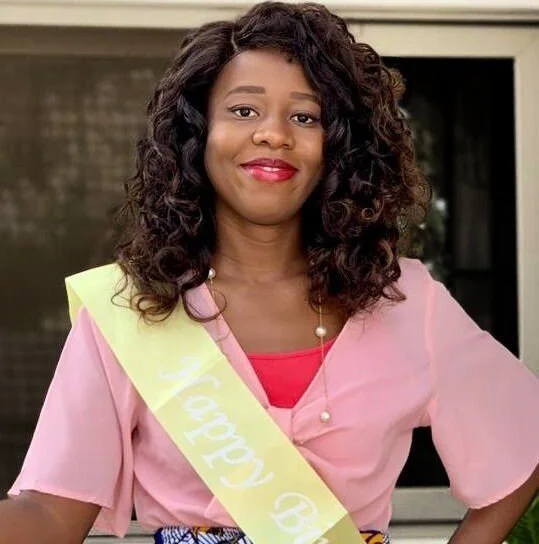
Post-Doctoral Fellow
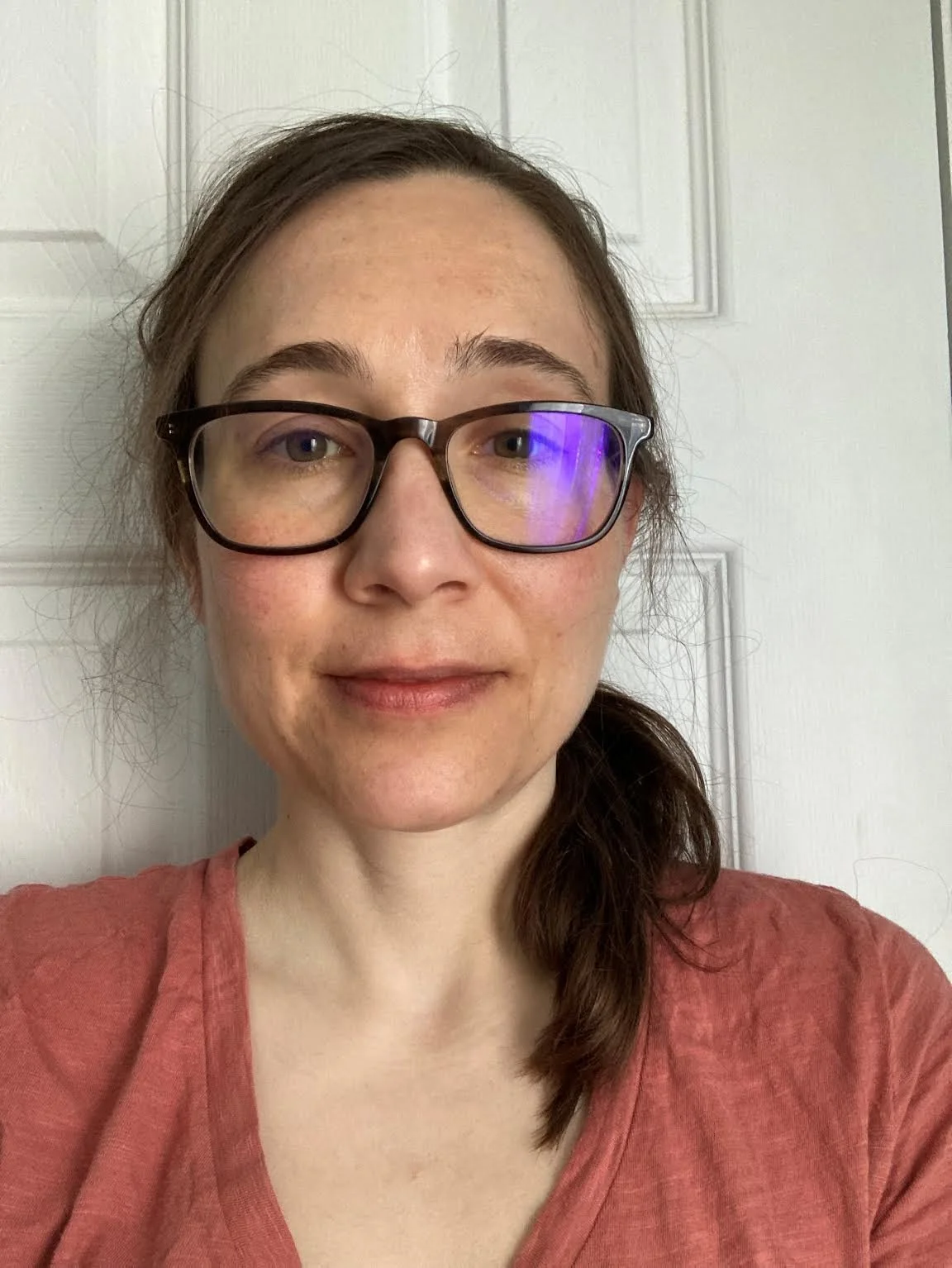
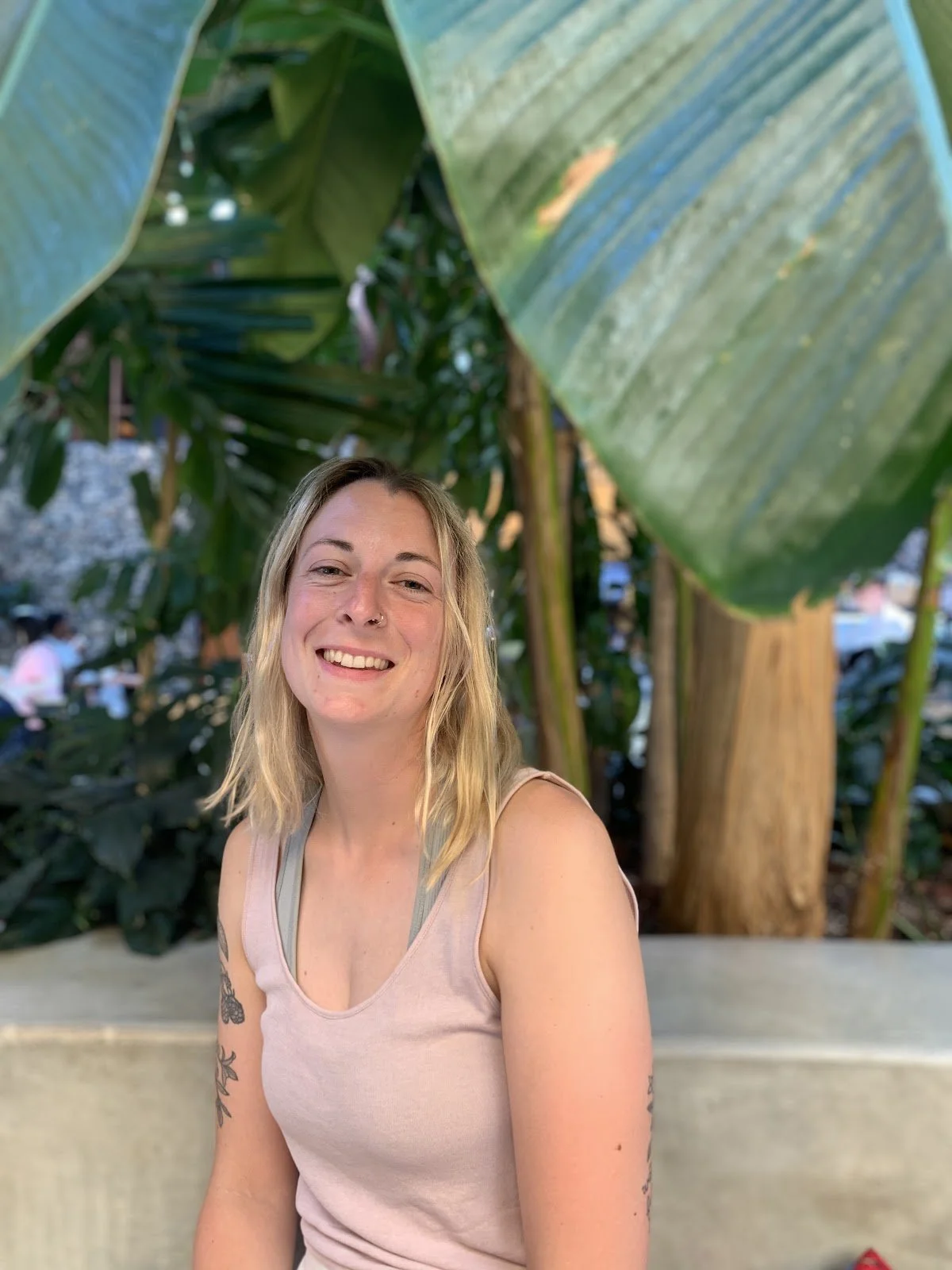
Leah Fusco
Leah Fusco (she/her) is a postdoctoral researcher at Memorial University. She grew up in Maine before travelling to Canada for University and remaining here to continue her research. She has an MA in Sociology (Memorial) and a PhD in Geography (University of Toronto). Her research broadly addresses energy development and transitions, climate and energy justice, just transitions, equitable blue economies, and impact assessments. She is particularly interested in how tools like gender based analysis plus could be used in impact assessment processes in ways that support just and equitable energy transitions. Her work with the Oil to Energy Equity Collaboration is focused on NL’s approach to energy transition and how the province can plan for and implement an equitable transition away from oil.
Publications
Leah Fusco, Jane Stinson, Leah Levac, and Deborah Stienstra (2025). Harnessing the Potential for a More Equitable Future in Newfoundland and Labrador: Applying Gender-based Analysis Plus (GBA Plus) to Offshore Wind Development: Findings and Engagement Strategies for Data Collection. Canadian Research Institute for the Advancement of Women.
Leah Fusco, Jane Stinson, Leah Levac, and Deborah Stienstra (2024). Gender-based Analysis Plus in Offshore Wind Development: Data and Community Engagement Strategies for a More Equitable Future for Nova Scotians. Canadian Research Institute for the Advancement of Women.
C. Knott, L. Fusco, J. Daly, E. Andrews, and G. Singh (2024). Equity Zombies in Canada’s Blue Economy: A Critical Feminist Analysis for Equitable Policy Implementation. Frontiers in Marine Science. Volume 11.
PhD Candidates and Post-MAs

Sarah Greene
Sarah Greene is a PhD candidate in Global Governance at the Balsillie School of International Affairs at the University of Waterloo. Her research focuses on energy and transportation transitions, with particular attention to how fossil fuel–dependent jurisdictions navigate economic development amid intensifying climate pressures.
Her current research within the Oil to Energy Equity Collaboration examines why some governments continue to expand oil production despite global decarbonization efforts. Outside of her doctoral work, Sarah is completing French language training at Durham College. She holds a Master’s degree in International Public Policy from the Balsillie School of International Affairs and a B.A. in Ethics, Society, and Law from the University of Toronto.
Publications
Greene, Sarah, and Angela Carter. 2024. “From national ban to global climate policy renewal: Denmark’s path to co-leading an end to oil extraction.” International Environmental Agreements: Politics, Law and Economics.
Greene, Sarah, and Angela Carter. 2023. “Keeping Oil in the Soil: National Bans on Oil Extraction as the Future of Global Climate Policy?” In Extractive Bargains: States, Resources and the Elusive Search for Consensus, P. Bowles and N. Andrews (eds.). London: Palgrave Macmillan.
Kazzaz, Bassel, Sarah Norton, and Charlotte Yates. 2024. “A North American Electric Vehicle Supply Chain: What it Means for Canada's Vehicle Parts Manufacturing Industry.” Mordue G; Anastakis D. North American Auto Industry since NAFTA: 42-80. Toronto: University of Toronto Press.
Norton, Sarah. 2024. “Canada, the Global Green Transition, and Climate Leadership.” In Canadian Environmental Politics and Policy, 5th Edition, Debora L. VanNijnatten (ed.). New York: Oxford University Press.
Audrey Parnell
Audrey Parnell (she/her) is an American-born geologist (PGeo, BS, MS) working on her PhD on paleoclimate modelling in the Physics and Physical Oceanography Department at Memorial University. With over 15 years of experience working with oil companies, Audrey's current research assesses oil industry trends and their impact in Newfoundland and Labrador. Outside of MUN, Audrey works at a not-for-profit accelerating the province's circular economy.

Marilena Geng
Marilena Geng is originally from Germany but currently resides in St. John’s, Newfoundland. ”She holds a PhD in Climate Physics from Memorial University and is now a Postdoctoral researcher in the Department of Physics and Physical Oceanography. Marilena's research in the Oil to Energy Equity Collaboration examines the climate impacts of Newfoundland and Labrador's offshore oil industry.
Publications
Geng, M.S., Christensen, J.H., Christensen, T. (2019). Potential Future Methane Emission Hot Spots in Greenland. Environmental Research Letters. https://iopscience.iop.org/article/10.1088/1748-9326/aaf34b
Geng, M.S., Tarasov, L., Dalton, A.S. (2025). A comparison of the last two glacial inceptions (MIS 7/5) via fully coupled transient ice and climate modeling. EGUsphere [preprint]. https://egusphere.copernicus.org/preprints/2025/egusphere-2025-495/
Malcolm Sanger
Malcolm Sanger is a PhD Candidate in Communication Studies at McGill University. He studies environmental communication and how forests and trees appear in responses to climate change in Canada. Within the collaboration, his focus is on social and cultural factors relevant to an equitable transition, bringing together work from energy humanities, social sciences, and political economy to bear on issues of energy production and consumption. Drawing on environmental media, political economy, science and technology studies, and communications theory, his work argues that contemporary responses to climate change must also respond to the material histories, political arrangements, and cultural theories from which they emerge. Malcolm holds a MA in Anthropology from McGill University, and a BA in Anthropology and Literature and Critical Theory from the University of Toronto. His work is funded by a SSHRC Doctoral Fellowship and Fonds de Recherche du Québec, Société et Culture (FRQSC) and he was recently a visiting scholar at the Centre for the Environmental Humanities, Aarhus University.
Publications
Under review: “Strengthening supply-side climate policy with social and cultural analyses of fossil fuels.” WIREs Climate Change Advanced Review.
Related website: www.thenewinquiry.com/cant-see-the-wood-for-the-trees/

Angela Antle
Angela Antle (she/her) is a PhD Candidate at Memorial University of Newfoundland and Labrador. She is a Rachel Carson Fellow, the host and producer of the eco-critical podcast GYRE, and a member of Norway’s Empowered Futures: A Global Research School Navigating the Social and Environmental Controversies of Low-Carbon Energy Transitions. Antle's contributions to the Oil to Energy Equity Collaboration centre around climate justice and communication, in particular the use of disinformation and political rhetoric to block climate action and delay the sustainable transition. A former CBC documentary producer, she now writes about energy futures for theindependent.ca and is a member of the City of St. John’s Environment and Sustainability Experts Panel.
Publications
Writing (in review)
Manufacturing Grassroots Resistance: A Review of Petroturfing - Refining Canadian Oil Through Social Media by Jordan B. Kinder for the Journal of Environmental Media.
Staying With Conflicted Transitions: An Agenda for Empowered Energy Futures, Shokazar, et al. -
Aquaculture Occupational Safety and Health Regulatory Effectiveness in Norway and Canada: A Comparative Analysis, with Barbara Neis et al. – in review.
Published Review: The Black Thread knits a compelling petroculture tale with a few dropped podcast stitches, Radio Doc Review, 10, (2),
Dear Mr. Smallwood: Confederation in the words of those who lived it. Eds. Sonja Boon and Vicki Hallett, MUP, November 2025.
Master’s Students
Andrew “Drew” Richardson
Drew Richardson is a Master’s student in Political Science at Memorial University of Newfoundland and Labrador, based in St. John's. Originally from Fredericton, New Brunswick, Drew's research focuses on political economy, with a focus on the intersection of corporate influence on public academic institutions. As part of the Oil to Energy Equity Collaboration, his work examines Memorial University's funding structure and the influence of fossil fuel corporations within the institution. His work extends to energy policy and regulatory frameworks in Atlantic Canada.
Publications
Rosales, A., Millar, H., & Richardson, A. (2024). Leveraging intra-provincial regulatory differences in a post-Paris context: Cryptocurrency mining “reverse battery” strategy in Atlantic Canada. The Extractive Industries and Society, 17, 101396. https://doi.org/10.1016/j.exis.2023.101396

Savahnna Munroe-Coish
Savahnna Munroe-Coish is a first-year Master’s student in Political Science at Memorial University of Newfoundland and Labrador. Originally from Hamilton, Ontario, Savahnna completed an undergraduate degree in French Immersion at the University of Ottawa, majoring in Political Science and minoring in Law.
Her work within the Oil to Energy Equity Collaboration centres on the effects of the climate crisis on the elderly and the provincial policy gap that this issue represents. Savahnna analyzes successful approaches from other jurisdictions and proposes concrete adaptation policies that the government of Newfoundland and Labrador could implement to address this emerging climate issue.

Bailey Brett
Bailey Brett is an MA student in the Institute of Political Economy at Carleton University. He holds a Bachelor of Arts (hons.) in Political Science with a minor in Sociology from Memorial University. Bailey is from St. John's, Newfoundland and Labrador. His research with this project focuses on provincial subsidies to oil and gas companies in Newfoundland and Labrador.
Heather Asare Awuku
Heather Asare Awuku is a second year Master's student originally from Ghana. She is currently studying at Memorial University of Newfoundland's Grenfell Campus in Corner Brook where she is enrolled in the Master of Arts in Environmental Policy. Within the Oil to Energy Equity Collaboration, her research area is oil and gas exploration activities in extended continental shelves. She is particularly interested in the implications of exploration within these areas in the energy transition era and their intersection with international law.
Undergraduate Students
Grace Fitzpatrick
Grace Fitzpatrick is an undergraduate student completing an Honours degree in Political Science at Memorial University of Newfoundland and Labrador. She is majoring in Political Science with a minor in Law and Society and a concentration in Global Studies. Grace's work for the Oil to Energy Equity Collaboration focuses on Newfoundland and Labrador's offshore oil and gas extraction. Her most recent contribution studies the environmental, economic, and societal implications of a proposed liquified natural gas development on Newfoundland and Labrador’s southern shore.
Seamus MacKenzie
Seamus MacKenzie is an undergraduate student at Memorial University of Newfoundland and Labrador completing a Bachelor of Arts in Political Science and Mathematics. Seamus’ contribution to the Oil to Energy Equity Collaboration revolves around Newfoundland and Labrador's offshore oil and gas industry. Recently his work has been centred around the varying consequences of liquified natural gas expansion on the Southern Shore.
Eric Devine
Eric Devine is an undergraduate student pursuing a degree in Political Science and History at Memorial University of Newfoundland. Eric's work centres on how large-scale resource development projects influence local communities and long-term economic sustainability. His most recent work focuses on the economic and environmental impacts of proposed fossil fuel extraction and processing on the southern shore of Newfoundland.
Former Collaborators:
Justine Salam
Justine Salam, PhD, is a researcher focused on energy governance and the politics of natural resources. She earned her doctorate in Global Governance at the University of Waterloo’s Balsillie School of International Affairs in 2021. Her dissertation—“Analyzing Major Royalty Debates in Alberta’s Oil Sands: Corporate Power at Play in a Subnational Resource-Cursed Petrostate”—was supervised by Angela Carter with whom she has been working for over a decade.
Her work looks at how corporate power shapes public policy in oil-producing regions, alongside earlier projects on China–Middle East energy ties and Iraqi Kurdistan. She co-authored “China’s Energy Strategy in the MENA Region” in the China Quarterly of International Strategic Studies and has presented her work at conferences around the world.
Throughout her career, Dr. Salam has held leadership roles in academic programming and student development, advancing initiatives that strengthen undergraduate education and foster international engagement. She received an International Experience Award for her teaching and capacity-building work in Indonesia and held a postdoctoral fellowship focused on higher education research. She is now Associate Dean of Career Readiness and leads innovative projects designed to equipped liberal arts students with the tools and knowledge they need to excel post-graduation.
Choyon Saha
Choyon Saha, Ph.D., is an independent climate policy researcher and a fellow at the Balsillie School of International Affairs in Waterloo, Canada. His postdoctoral research for the Oil to Energy Equity Collaboration focuses on decision-making processes, the regulatory structure, and public consultations concerning offshore oil extraction in Newfoundland and Labrador's marine protected areas. He investigates the land tenure process used by the Canada-Newfoundland and Labrador Offshore Energy Regulator to identify ocean floor leases, particularly the call for oil exploration bids and development in conservation areas. His research outcomes will help Canadian policymakers design stakeholder consultations and bidding processes that resolve conflicts among various marine resource users. His doctoral research explored the barriers, divisions, and disagreements among negotiating parties that limit the negotiating power of least developed countries in restricting the global supply of fossil fuels under the UNFCCC. It contributed to the development of ‘supply-side climate policy’ in UN climate negotiations. He earned his PhD in Global Governance from the Balsillie School of International Affairs at the University of Waterloo and an MA in Environmental Policy from the Environmental Policy Institute at Memorial University of Newfoundland. He also completed his MA and BA (Hons) in Sociology at the University of Dhaka, Bangladesh.
Publications
Saha, C.K., Carter, A.V., Rutherford, J., Ellis, J., Fraser, G.S. (2026). Oil production overriding marine conservation?: Regulatory tensions at acreage release in offshore Newfoundland and Labrador, Canada. Ocean Yearbook, Volume 40 (Forthcoming in July).
Saha, C.K. (2025). Barriers to limiting fossil fuel supply in UNFCCC negotiations: insights from Bangladesh. Climate Policy, 1-17.
Saha, C.K. (2024). Least developed countries vs. fossil fuel incumbents: strategies, divisions, and barriers at the United Nations climate negotiations. International Environmental Agreements: Politics, Law, and Economics, 24 (1): 91-120.
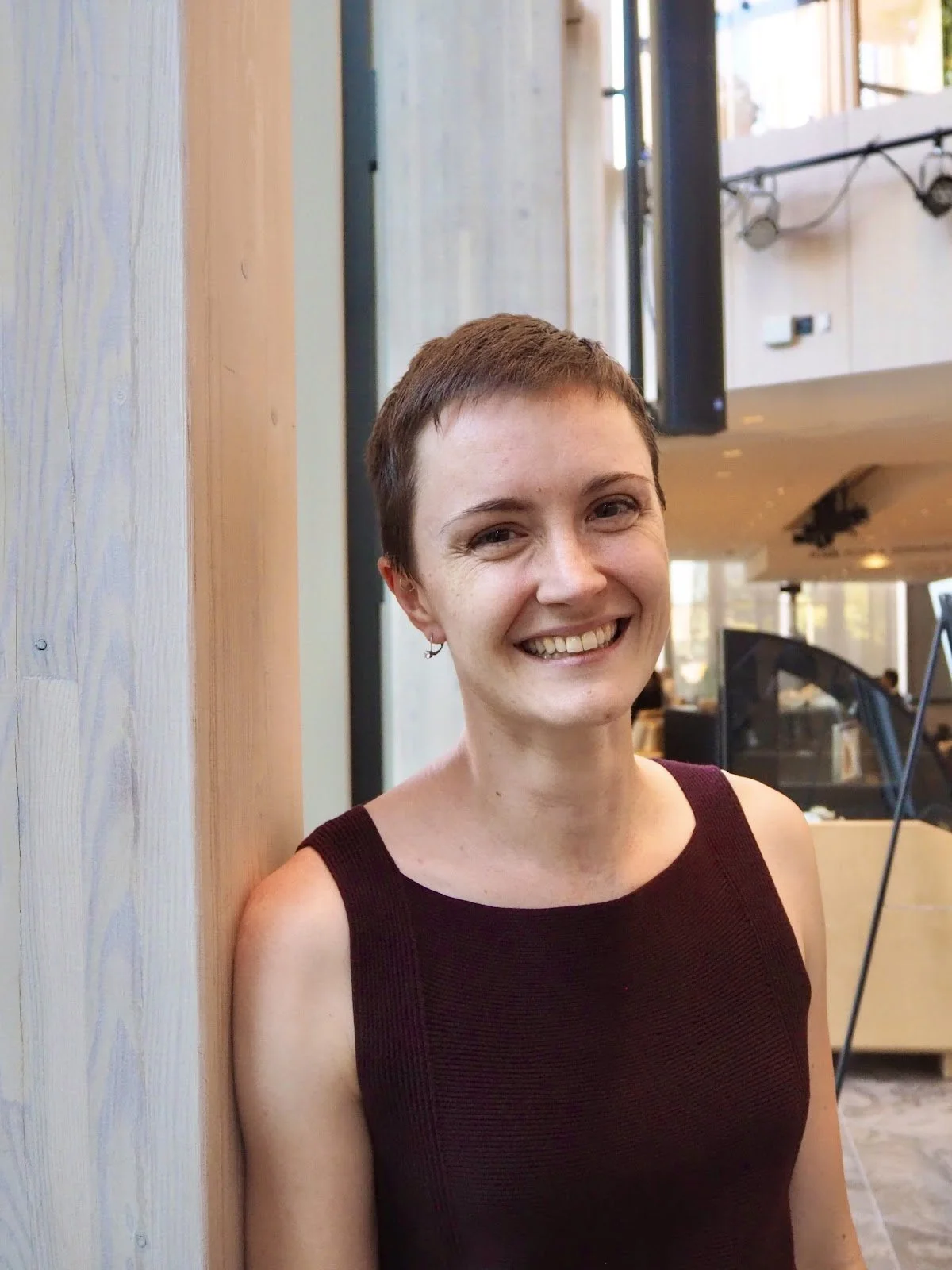
Danielle LaBrash
Danielle LaBrash is a policy analyst with IISD’s Canada Energy team, working on oil and gas policy in Canada.
Before joining IISD, Danielle worked with a team at Memorial University researching impacts and opportunities for Newfoundland and Labrador in the energy transition. Her research background includes projects focusing on corporate influence in Canada, just transition opportunities for oil workers and their communities, subnational oil sector regulation, and gender-based impacts of resource extraction projects in remote Indigenous communities.
Danielle holds a master’s degree in political studies from the University of Waterloo.
Emmanuel Dompreh
Emmanuel Dompreh is a researcher specializing in energy transitions, urban governance, and climate policy across Ghana and Canada. Within collaborative projects like the Fuming Cities African Network for Ideas on Cities and Energy (Africa-NICE), his focus is on governance, infrastructure, and urban imaginaries in African cities like Accra. Drawing on political science, environmental policy, and sustainability studies, his work examines institutional challenges, funding gaps, and hopeful futures for equitable energy shifts. His MA research at Memorial University developed just transition frameworks for oil-dependent communities using Newfoundland and Western Ghana as case studies. He holds an MPhil in Political Science from the University of Ghana. His co-authored paper, "Energy Transitions and Urban Imaginaries in Accra: A Conceptual Framework for Justice, Governance and Hopeful Futures" has been accepted for the University of Edinburgh's "Fuming Cities" workshop, funded by the Royal Society of Edinburgh, and is under review for publication by Environment and Urbanization (Sage), a journal on urban and environmental issues in the Global South.
Edwina Aryeetey
Edwina N.S.D. Aryeetey is from Ghana and is a second-year graduate student at Memorial University pursuing a Master's in Political Science. She is interested in Indigenous-led just transitions, with particular attention to Indigenous women's rights. She currently resides in St. John's, Newfoundland.